Ask a New Yorker to name the best view in the city, and there’s a good chance the answer is green. Central Park is where the city goes to run, read, picnic, people-watch and, every so often, just stand still. Living right on the edge of it is a dream many quietly hold on to.
Why everyone wants this view
Plenty of apartments have nice views. A Central Park view is different, for a few reasons.
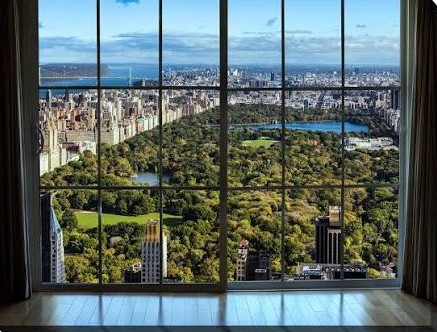
- Nobody can build in front of it: there will never be new blocks facing the park, and the park itself is protected. The view you buy is the view you keep.
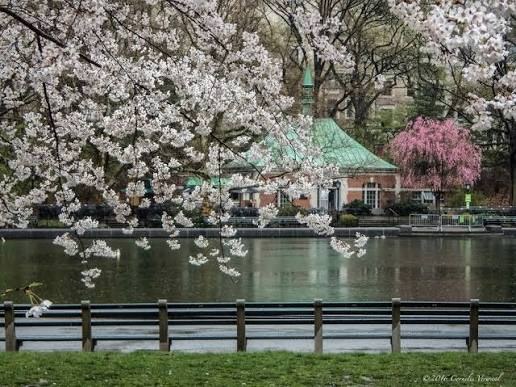
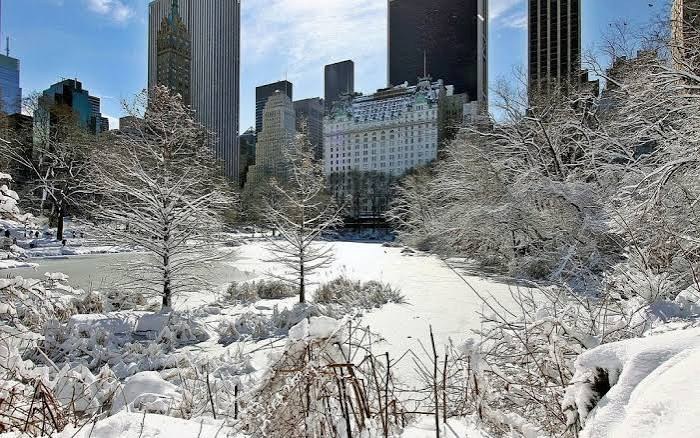
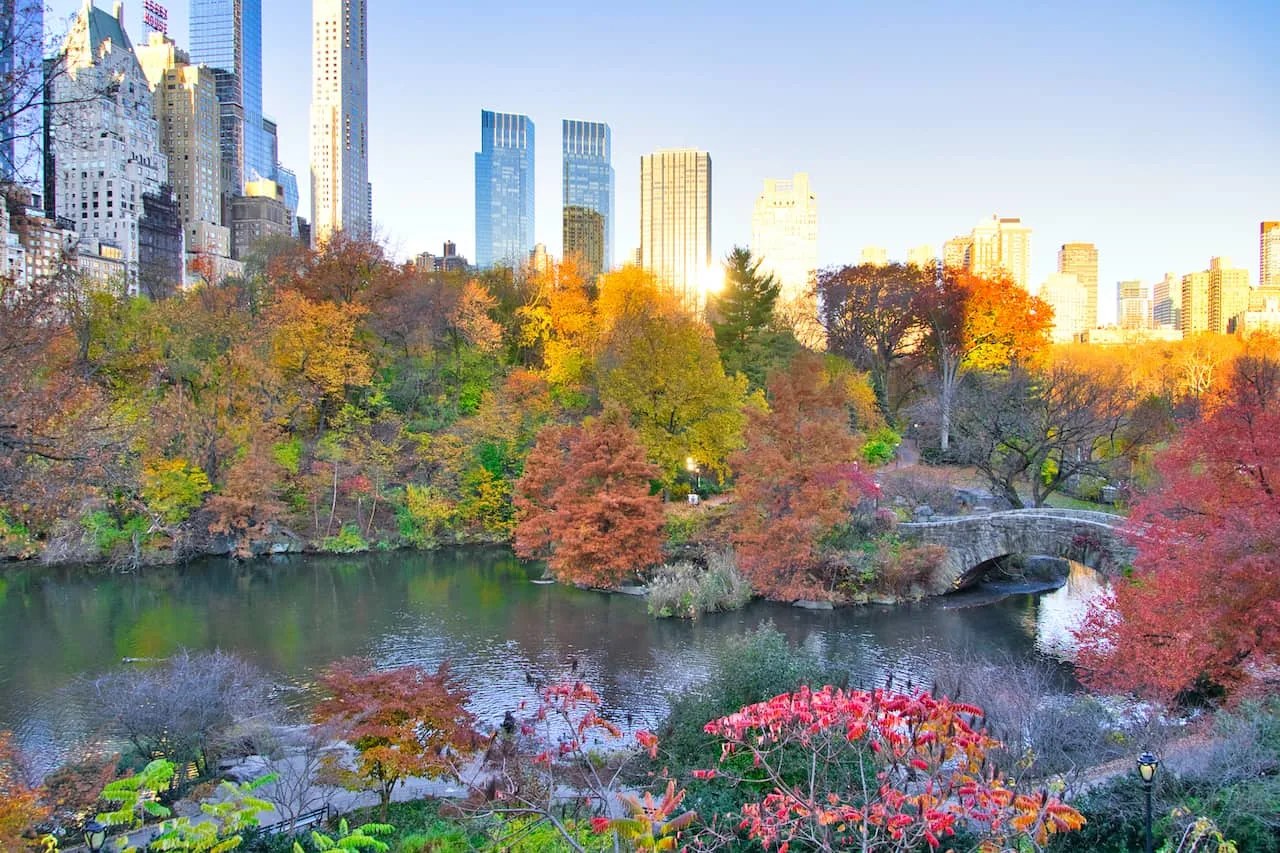
- It changes all year: blossoms in spring, deep green in summer, fall foliage, then snow. Same window, four different paintings.
- It’s a backyard of 843 acres: lawns, lakes and woodlands are a crosswalk away.
- 843Acres of park
- 2.5 milesFrom 59th to 110th Street, half a mile wide
- 42 millionVisits a year
- Approx 36Bridges, and no two alike
Did you know?
It isn’t the city’s biggest park. Not even close: by area, it ranks sixth in New York City, behind parks like Pelham Bay Park and the Staten Island Greenbelt. It is, though, the most visited urban park in the country, and one of the most filmed places in the world.
It’s a neighborhood park at heart. According to the Central Park Conservancy, nearly two-thirds of visitors are regulars who come at least once a week, and about 70% live in New York City.
The traffic is hiding. The park’s designers had to fit four crosstown roads through it. Their solution was to sink them below the line of sight, which is why you can cross the park without really noticing the cars.
It used to be shorter. The original plan stopped at 106th Street. The park stretched up to 110th Street in 1863.
A short history
On April 28, 1858, the park’s commissioners picked the “Greensward” plan by Frederick Law Olmsted and Calvert Vaux out of 33 entries. Greensward is an old English word for an unbroken stretch of lawn, which tells you a great deal about what they had in mind. Vaux designed every one of the park’s bridges, and the landscapes were finished in 1873.
The park’s story has a harder chapter, too. Building it meant seizing and clearing the communities already living on the land, including Seneca Village, a majority-Black settlement. It’s an important part of the park’s history.
Today Central Park is a National Historic Landmark, and the city named it a Scenic Landmark on March 26, 1974. Since 1980, the Central Park Conservancy has cared for it in partnership with the city, looking after 250 acres of lawns, 150 acres of lakes and streams and 130 acres of woodlands.